

How to Determine Your Water Purification Needs
Clean water is something most people take for granted until a problem appears. A strange taste, cloudy glasses, scale on fixtures, or a sudden equipment failure can be the first clue that your water isn't as pure as you assumed. Whether you manage a household, a laboratory, or a manufacturing facility, the water flowing through your pipes affects health, comfort, product quality, and the lifespan of your equipment.
The challenge is that no single solution fits every situation. Water treatments that work well for a family home may fall short in a facility that requires ultra-pure water, and vice versa. Before investing in any system, you need a clear picture of what is in your water, how much you use, and what level of purity you actually need. This guide walks you through the key questions to ask so you can make an informed, cost-effective decision.
Identifying Your Water Source
The first step in determining your purification needs is understanding where your water comes from. Municipal water and private well water present very different challenges. Public utilities treat water before it reaches your tap, typically disinfecting it with chlorine or chloramine to control bacteria. That disinfection is valuable, but it can leave behind residual chemicals that affect taste and odor. Municipal water can also pick up contaminants such as lead or sediment as it travels through aging pipes.
Private wells, on the other hand, are not regulated in the same way. Well owners are responsible for their own water quality, and groundwater can contain naturally occurring minerals like iron, manganese, calcium, and magnesium, along with nitrates from agricultural runoff or bacteria from nearby septic systems. Industrial and commercial users may draw from either source, but their requirements often go far beyond basic drinking water standards. Knowing your source helps narrow down which water treatments deserve serious consideration and which you can rule out.
Testing Your Water Quality
Once you know your source, the next step is finding out exactly what your water contains. Guesswork is expensive. Without accurate data, you risk buying equipment that targets the wrong contaminants or underperforms against the ones that matter most.
Home test strips can offer a rough snapshot of hardness, pH, and chlorine levels, but they have real limits. They rarely detect heavy metals, volatile organic compounds, or low concentrations of dissolved solids with any precision. For a reliable picture, consider a certified laboratory analysis. A comprehensive test typically measures total dissolved solids, hardness, pH, iron, manganese, nitrates, bacteria, and a range of chemical contaminants. Facilities with strict purity specifications may also need conductivity or resistivity measurements, since these readings reveal how many ions remain in the water.
A water quality professional can help you interpret these results, which is often where the real value lies. Numbers on a report mean little without context, and an expert can explain which readings pose genuine concerns and which fall within acceptable ranges. That interpretation forms the foundation for choosing appropriate water treatments.
Recognizing the Warning Signs of Contamination
Even before testing, your water may be sending clear signals that something is wrong. White, chalky buildup on faucets, showerheads, and kettles usually points to hard water rich in calcium and magnesium. Reddish-brown stains in sinks or laundry often signal excess iron, while black stains can indicate manganese. A chlorine or chemical smell suggests disinfection byproducts, and a rotten-egg odor may mean hydrogen sulfide is present. Cloudy or discolored water can come from sediment or suspended particles.
In commercial and industrial settings, the warning signs can be more costly. Mineral scaling inside equipment, corrosion of components, inconsistent product finishes, and unexpected shutdowns all suggest that water quality is undermining operations. For example, facilities that use electrical discharge machining depend on water with very low conductivity, and dissolved minerals can disrupt precision cutting.
While these symptoms offer useful clues, they don't tell the whole story. Some of the most harmful contaminants, including lead, arsenic, and certain bacteria, have no taste, color, or smell at all. That is why visible signs should prompt testing rather than replace it, and why the right water treatments should always be based on reliable data.
Estimating Your Daily Water Demand
How much water you use plays a major role in selecting the right system. According to the Environmental Protection Agency, each American uses an average of about 82 gallons of water daily at home, a figure that fuels rising demand for reliable purification and filtration systems. Multiply that by the number of people in your home, and the total adds up quickly. A family of four could easily use more than 300 gallons per day for drinking, cooking, bathing, laundry, and cleaning.
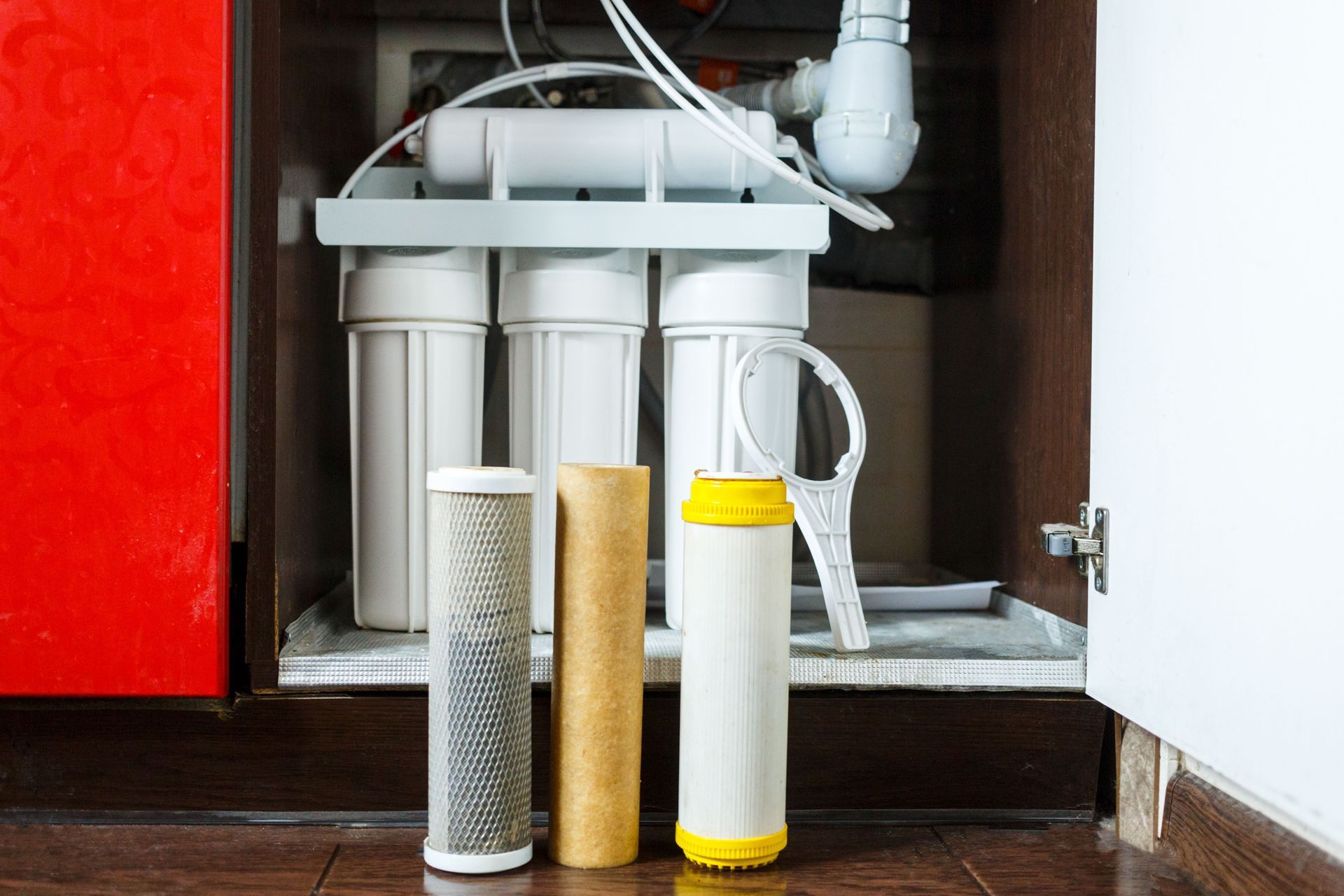
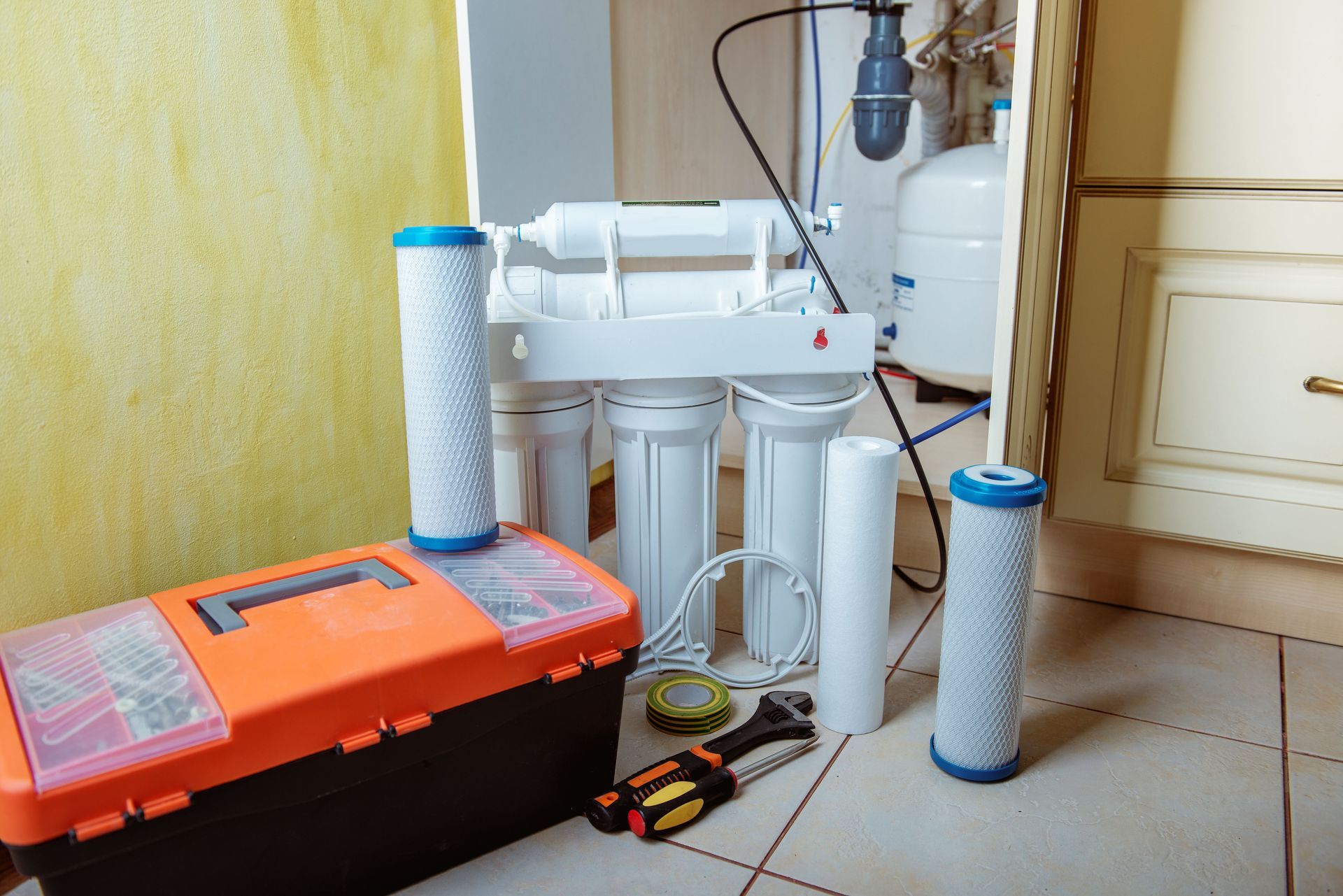
Not all of that water necessarily needs the same level of treatment. Some households choose whole-house systems that treat every drop entering the home, while others install point-of-use systems at the kitchen sink for drinking and cooking water only. Your choice depends on whether your concerns affect health, appliances, plumbing, or simply taste.
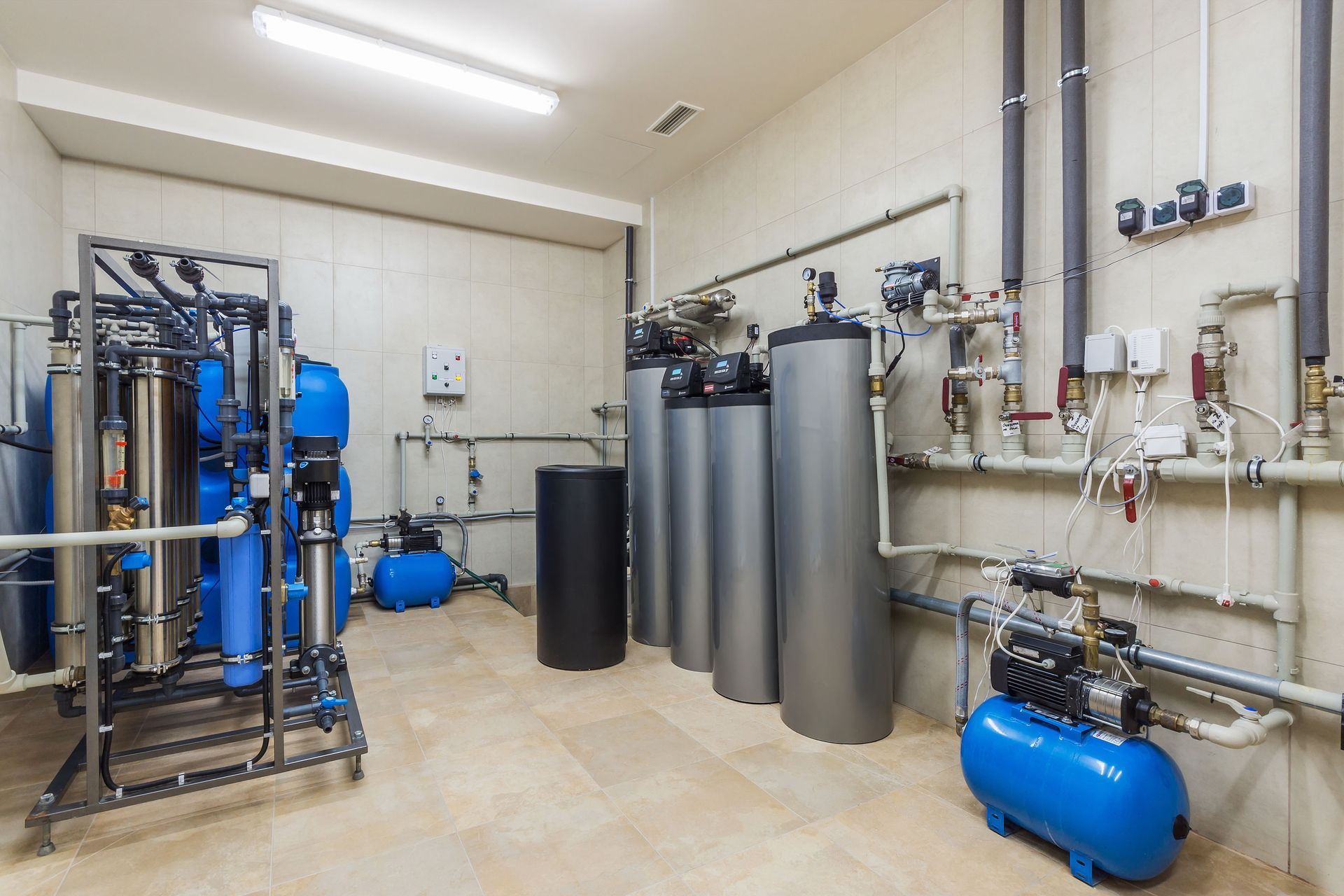
For commercial and industrial facilities, demand calculations become more complex. Flow rates, peak usage periods, and process requirements all influence system size. An undersized system will exhaust its media quickly and fail to keep up, while an oversized one wastes money. Accurately estimating demand ensures your water treatments perform efficiently without unnecessary expense.
Matching Purification Methods to Your Goals
With test results and usage estimates in hand, you can begin matching purification technologies to your specific goals. Each method targets different contaminants, so understanding their strengths helps you build an effective approach.
Activated carbon is one of the most versatile options available. Its porous structure gives it an enormous surface area that traps chlorine, organic compounds, and many substances responsible for unpleasant tastes and odors. High activated carbon is especially effective as a pretreatment step, protecting downstream equipment from chlorine damage.
Ion exchange is the go-to solution for hardness and many dissolved minerals. Resin beads swap undesirable ions, such as calcium and magnesium, for less problematic ones. This process prevents scale buildup and protects pipes, water heaters, and machinery.
Deionization takes ion exchange a step further by removing nearly all dissolved ions, producing highly purified water. Deionized water is essential for laboratories, medical device manufacturing, electronics production, and precision machining, where even trace minerals can cause defects.
Many situations call for combining several water treatments into a single system. For example, a facility might use activated carbon to remove chlorine before water reaches deionization resin, extending the resin's life and improving results. Choosing between new virgin resin and regenerated resin is another consideration, since each offers distinct advantages depending on purity requirements and budget.
Partnering With Experienced Water Professionals
While it is possible to research purification options on your own, working with experienced professionals offers significant advantages. Water chemistry is complex, and small misjudgments can lead to costly mistakes, such as choosing the wrong resin, sizing a system incorrectly, or overlooking a contaminant that a basic test missed.
Professionals bring the technical knowledge to interpret lab results, recommend suitable media, and design a system around your actual needs rather than generic assumptions. They can also identify opportunities to save money, such as pairing pretreatment with resin systems or scheduling regeneration instead of frequent replacement.
For businesses, expert guidance is even more critical. Industrial water treatments often must meet strict specifications, and failures can result in damaged equipment, rejected products, and lost production time. A knowledgeable partner helps you avoid those risks while keeping your operations compliant and efficient. Perhaps most importantly, professionals provide ongoing support.
Determining your water purification needs comes down to a few essential questions. Where does your water come from? What does it contain? How much do you use, and what level of purity do you require? Answering these questions with accurate testing and expert insight allows you to choose water treatments that truly fit your situation, saving you from wasted money and ongoing frustration.
If you're ready to take the guesswork out of water purification, we're here to help. At ABA Water Systems Inc, we have served customers across the United States since 1985 as a third-generation, family-owned business. We offer DI resin regeneration, ion exchange resin regeneration, virgin resin sales, and high activated carbon to support your purification goals. Contact us today to speak with our experienced team and find the right solution for your water.


Share On: