

Water Treatment Solutions Turning Tap Water into Production Perfection
Water is one of the most essential resources in modern industry, yet not all water is created equal. Tap water, while safe for general consumption, often contains minerals, impurities, and inconsistencies that can interfere with sensitive production processes. From manufacturing plants to food processing facilities, achieving consistent quality depends heavily on the purity and reliability of water. This is where advanced water treatments come into play, transforming ordinary tap water into a refined resource capable of supporting precision, efficiency, and product excellence.
water treatmentswater treatmentsAs industries continue to demand higher standards, the role of water treatment solutions has evolved significantly. These systems no longer filter out contaminants—they optimize water composition to meet exact specifications. In this article, we explore the most effective water treatments available today, how they enhance production outcomes, the role of technology in advancing these systems, the importance of sustainability, and the challenges businesses face when implementing them.
What Are the Best Water Treatments Available Today?
Modern industries have access to a wide range of water treatments designed to address specific needs and challenges. Each method serves a unique purpose, and in many cases, multiple systems are combined to achieve optimal results.
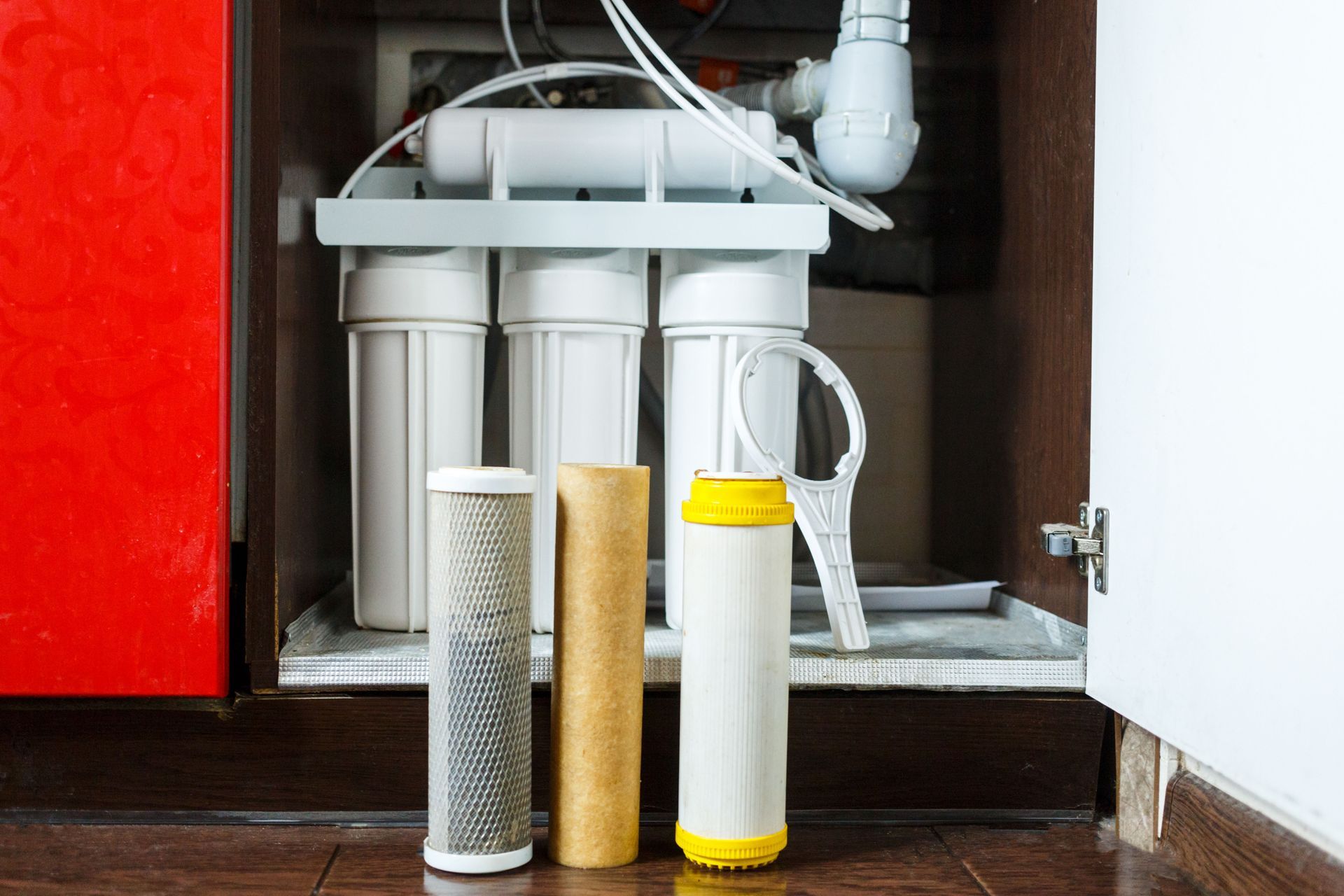
One of the most widely used methods is reverse osmosis, a process that removes dissolved salts, minerals, and impurities by forcing water through a semi-permeable membrane. This approach is particularly valuable in industries where even trace contaminants can compromise product quality. Reverse osmosis is often paired with deionization systems, which further remove ionized particles to produce ultra-pure water.
Filtration systems also play a crucial role in water treatments. Activated carbon filters are commonly used to eliminate chlorine, organic compounds, and unpleasant odors. These filters are especially important in food and beverage production, where taste and consistency are paramount. Additionally, ultraviolet (UV) disinfection systems are used to destroy bacteria and viruses without introducing chemicals, making them a popular choice for maintaining microbiological safety.
Another important category includes water softening systems, which remove calcium and magnesium ions that cause hardness. Hard water can lead to scaling in equipment, reducing efficiency and increasing maintenance costs. By incorporating softening into broader water treatments, industries can extend the lifespan of their machinery and maintain consistent operational performance.
Together, these solutions represent some of the best water treatments available today, offering flexibility and precision across a wide range of applications.
How Do Water Treatments Improve Production Outcomes?
The impact of effective water treatments on production outcomes cannot be overstated. Water quality directly influences the consistency, safety, and efficiency of many industrial processes. When untreated or poorly treated water is used, it can introduce variability that affects everything from product appearance to chemical stability.
One of the primary benefits of water treatments is consistency. In manufacturing, even minor fluctuations in water composition can lead to defects or variations in the final product. By standardizing water quality, businesses can ensure that each production cycle yields the same high-quality results.
Efficiency is another key advantage. Clean, properly treated water reduces the risk of equipment fouling, scaling, and corrosion. This leads to fewer interruptions, lower maintenance costs, and longer equipment life. In industries where downtime can be costly, reliable water treatments are essential for maintaining productivity.
Water treatments also play a critical role in compliance and safety. Many industries must adhere to strict regulatory standards regarding water quality, particularly in sectors such as pharmaceuticals and food processing. Advanced treatment systems help ensure that these standards are consistently met, reducing the risk of contamination and protecting both consumers and brand reputation.
Ultimately, water treatments transform water from a potential liability into a strategic asset, enabling businesses to achieve higher levels of performance and reliability.
What Role Does Technology Play in Modern Water Treatments?
Technology has become a driving force behind the evolution of water treatments, enabling more precise, efficient, and adaptable solutions. Modern systems are equipped with advanced sensors and monitoring tools that provide real-time data on water quality. This allows operators to make immediate adjustments, ensuring optimal performance at all times.
Automation is another significant advancement. Many water treatments now operate with minimal human intervention, using programmable controls to manage filtration, chemical dosing, and system maintenance. This not only improves accuracy but also reduces labor costs and the potential for human error.
Innovations in membrane technology have also enhanced the effectiveness of water treatments. New materials and designs allow for higher flow rates, improved contaminant removal, and greater durability. These advancements make it possible to treat larger volumes of water more efficiently, meeting the demands of modern industrial operations.
Data analytics and predictive maintenance are further transforming the field. By analyzing trends in system performance, businesses can anticipate issues before they occur, minimizing downtime and extending the lifespan of their equipment. This proactive approach represents a significant shift from traditional reactive maintenance practices.
According to Upkeep, an estimated 14,748 publicly owned water treatment plants provide wastewater collection, treatment, and disposal services to approximately 238.2 million people. This highlights not only the scale of water treatment infrastructure but also the importance of continued technological innovation in meeting growing demand.
As technology continues to advance, water treatments will become even more sophisticated, offering greater control and efficiency than ever before.
How Can Industries Ensure Sustainable Water Treatment Practices?
Sustainability has become a critical consideration in the design and implementation of water treatments. With increasing pressure to conserve resources and reduce environmental impact, industries are seeking solutions that balance performance with responsibility.
One of the most effective strategies is water recycling and reuse. By treating and reusing process water, businesses can significantly reduce their overall consumption. Advanced water treatments make it possible to reclaim water that would otherwise be discarded, turning waste into a valuable resource.
Energy efficiency is another important factor. Modern treatment systems are designed to minimize energy use while maintaining high performance. This includes the use of energy-efficient pumps, optimized filtration processes, and smart controls that adjust operations based on demand.
Chemical usage is also being carefully managed. Many industries are shifting toward greener alternatives and reducing reliance on harsh chemicals. This not only benefits the environment but also improves workplace safety and reduces the risk of contamination.
Sustainable water treatments also involve proper waste management. Sludge and other byproducts must be handled responsibly to prevent environmental harm. By implementing comprehensive treatment and disposal strategies, industries can ensure that their operations remain environmentally compliant.
Incorporating sustainability into water treatments is not just a regulatory requirement—it is a strategic advantage that supports long-term success and environmental stewardship.
What Are The Challenges Faced With Implementing Water Treatment Solutions?
Despite their many benefits, implementing water treatments can present several challenges. One of the most significant obstacles is the initial cost. Advanced systems often require substantial investment, which can be a barrier for smaller businesses. However, it is important to consider the long-term savings associated with improved efficiency and reduced maintenance.
Another challenge is system complexity. Modern water treatments involve multiple components and processes, requiring specialized knowledge to operate and maintain. Without proper training and support, businesses may struggle to achieve optimal performance.
Integration with existing infrastructure can also be difficult. Retrofitting older facilities with new treatment systems may require significant modifications, leading to additional costs and potential disruptions. Careful planning and collaboration with experienced providers are essential to overcoming these challenges.
Regulatory compliance adds another layer of complexity. Different industries and regions have varying requirements for water quality and treatment processes. Staying up to date with these regulations and ensuring compliance can be a demanding task.
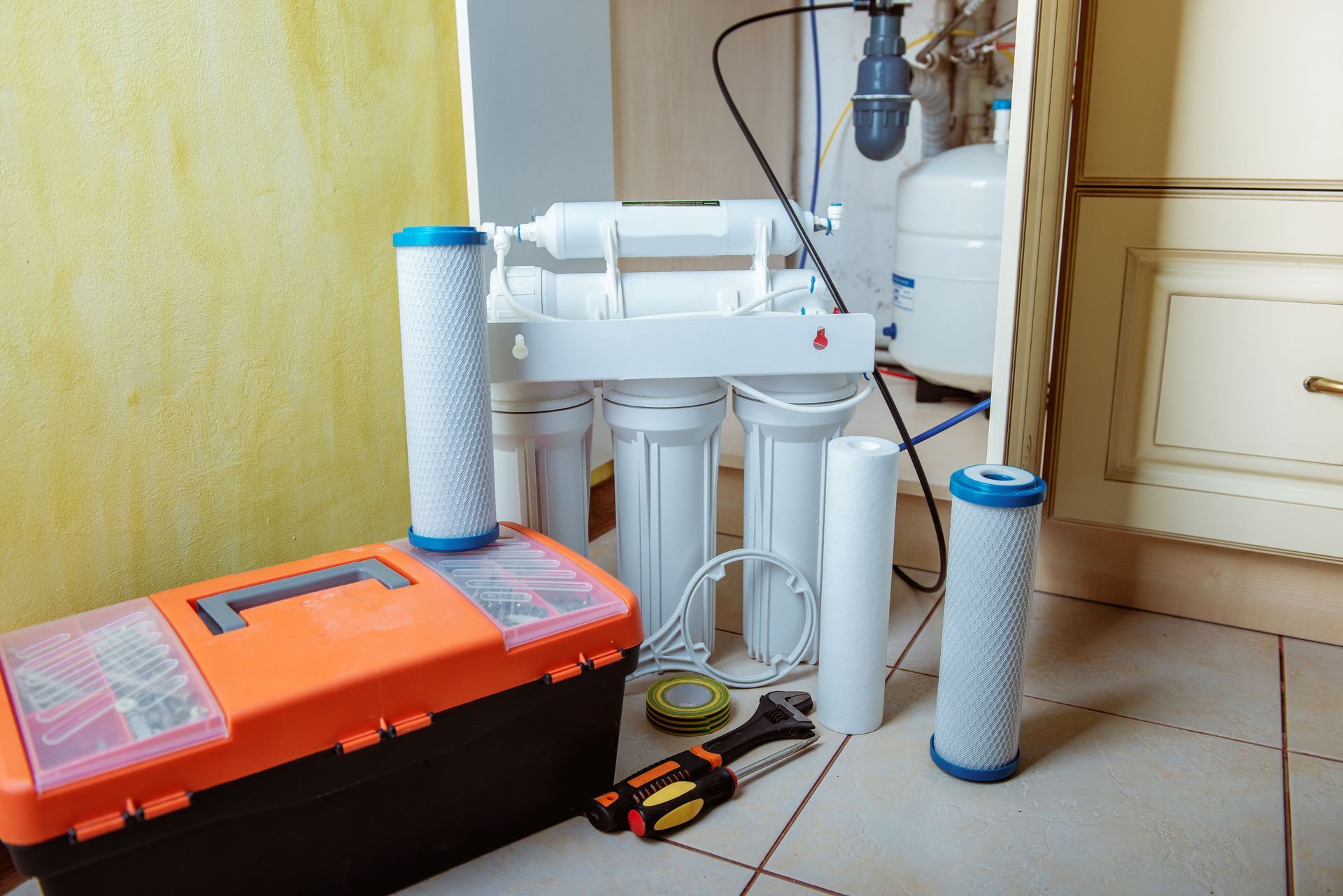
Finally, ongoing maintenance is critical to the success of any water treatment system. Filters must be replaced, membranes cleaned, and equipment inspected regularly. Neglecting these tasks can lead to reduced efficiency and system failure.
Water treatment solutions play an essential role in transforming tap water into a dependable resource for modern production. By improving consistency, enhancing efficiency, and supporting sustainability, advanced
water treatments enable industries to achieve production perfection. Selecting the right approach ensures that water becomes not just a necessity but a powerful asset in driving quality and success. If you're looking to install a water treatment system, reach out to the professionals at ABA Water Systems Inc today!

Share On: